How Mastra's SF Demo Day Solidified My Bet on TypeScript for AI
How Mastra's SF Demo Day Solidified My Bet on TypeScript for AI
I’ve been a software developer for over a decade, and for the past five months, I've been quietly working with Mastra, a framework I stumbled upon while searching for a seamless AI workflow management solution. I was already a fangirl, so when they announced a demo day in San Francisco, I knew I had to be there.
I flew in with high expectations, and the event didn't just meet them—it blew them away. I walked out more convinced than ever, ready to officially call myself a Mastra developer.
The Power of a Good Framework
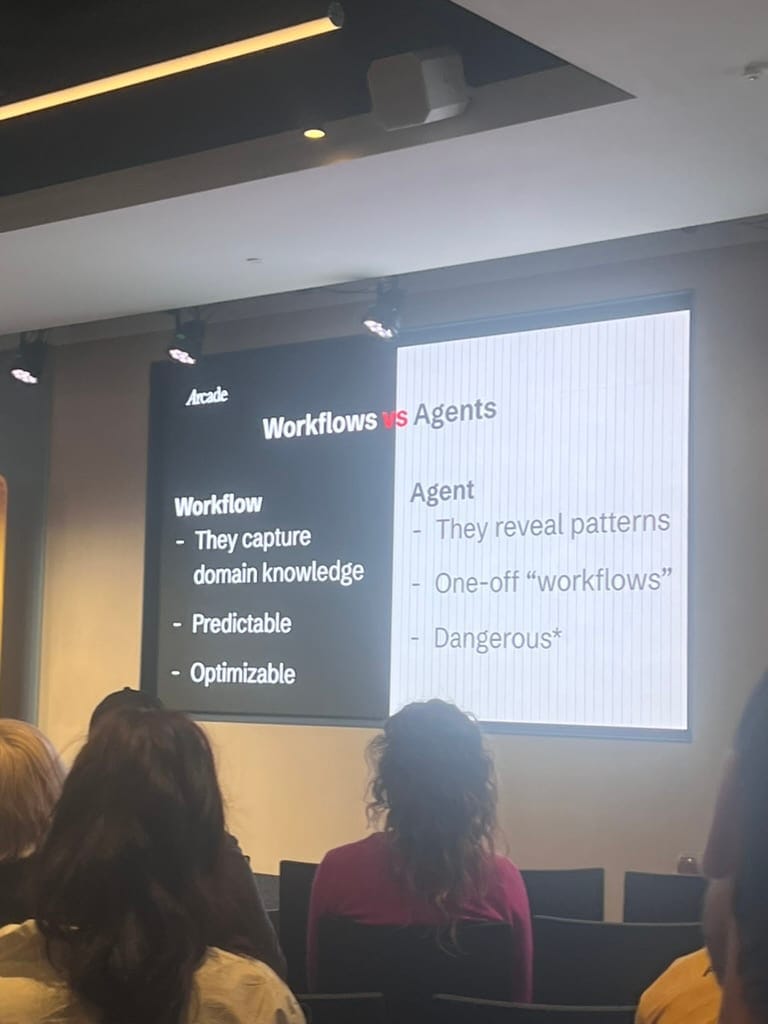
One of the Mastra developers said something that really stuck with me: "A framework is a great form of learning."
That’s exactly how I felt about Ruby on Rails when I was starting my career. It broke down the complexities of web development into "primitives" that shaped my entire understanding of the craft. Mastra feels the same for AI development.
Before this, the consensus seemed to be that serious AI work had to be done in Python, and best practices were whatever your team decided they were. Mastra provides a shared set of principles and tools that align everyone.
Key Takeaways That Blew My Mind
The event was packed with insights, but a few things really stood out:
- TypeScript is Surpassing Python: This was a big one. Who knew? With Claude's codebase being on TypeScript, it’s clear the ecosystem is shifting. Agents love Markdown and TypeScript, and Mastra gives them what they want.
- Flexible Memory, Workflows, and Evals: These were the initial hooks that got me interested in Mastra, and the progress they've made is incredible. The framework is robust enough to let us ship the features our users actually need.
- Zod is Key: As anyone who has wrangled GraphQL schemas in a React/Apollo world knows, type safety can be incredibly verbose. Zod simplifies this beautifully. Defining agent schemas with Zod is a game-changer.
The Vibe and Connections
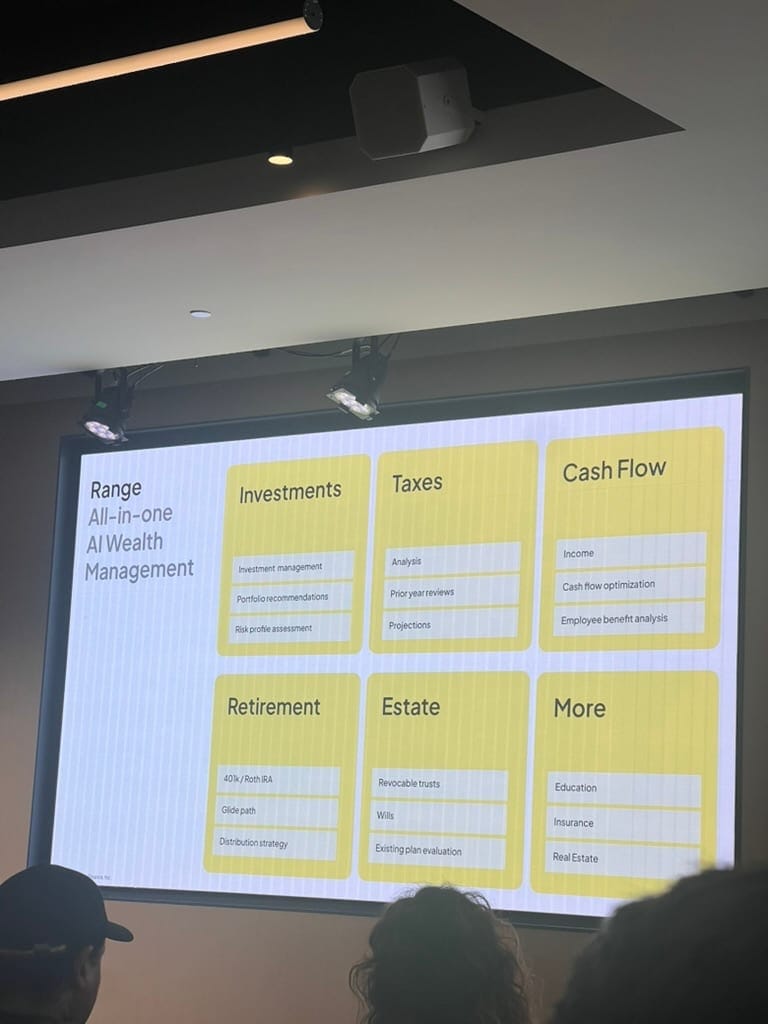
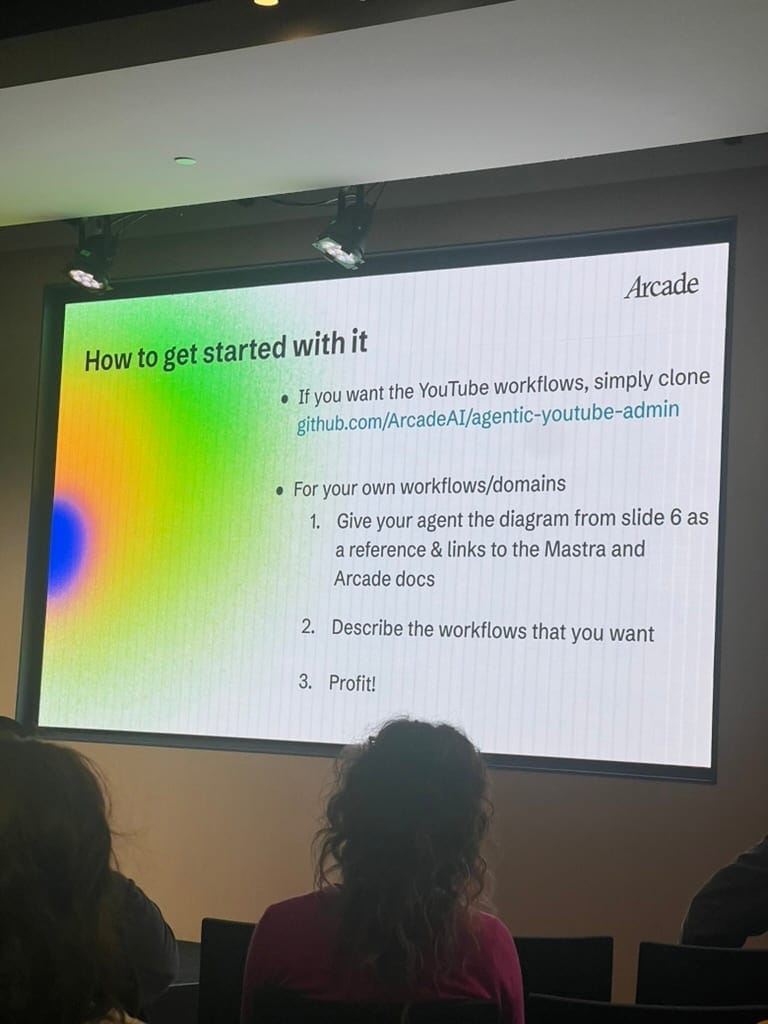
Beyond the technical deep dives, the best part was the people. I spoke with another killer woman AI engineer, and we just gushed about how we can finally rely on a framework to build and ship with confidence. Hearing from the creators of the tools themselves was inspiring, and seeing the "Range" use case presented live was my favorite demo.
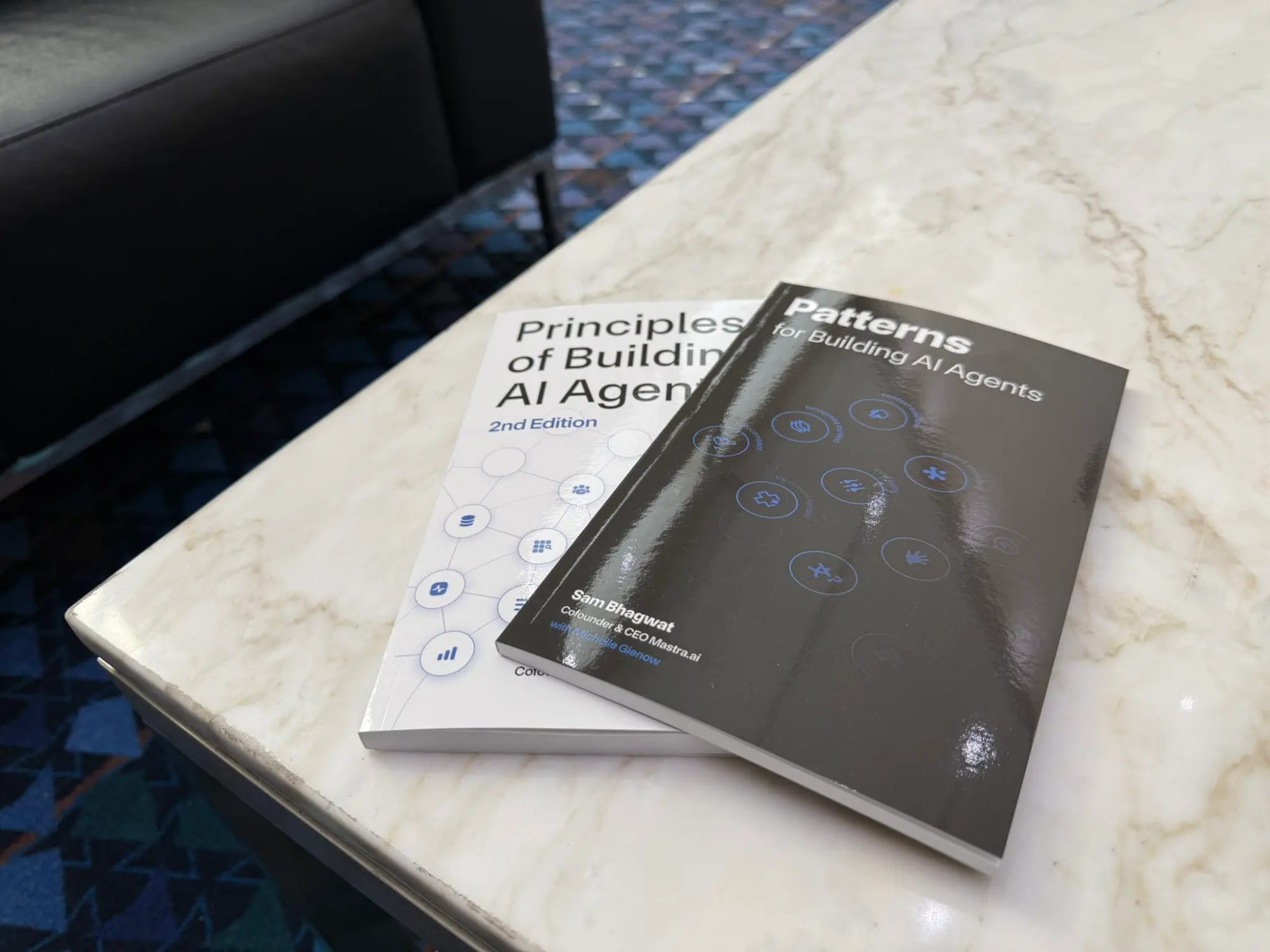
I left the Mastra meetup not just with a bunch of new knowledge, but with a renewed sense of clarity, purpose, and some great reading material. The AI space is still wild and new, but with tools like Mastra, it feels a lot less like we're building on sand and a lot more like we're building on a solid foundation.